 6 min read
Growth through acquisition often creates a hidden operational challenge: fragmented field data.
As Urban Oil & Gas expanded across multiple basins, each acquisition brought its own SCADA system, communications network, reporting processes, and operational workflows. Some assets relied on legacy radio architectures. Others operated through proprietary systems with limited alarming and visibility. The result was a patchwork of technologies that made it difficult to create a consistent operational view across the organization.
Rather than replacing every field device and communications network, Urban developed a repeatable approach to SCADA modernization. By standardizing on zdSCADA, the company consolidated multiple independent environments into a single platform while preserving much of its existing infrastructure.
The result was improved visibility, more consistent alarming, streamlined reporting, and a scalable process for future acquisitions.
The Challenge: Connecting Disparate Systems Across Acquired Assets
Like many operators growing through acquisition, Urban inherited a mix of technologies and operational practices.
Different fields used different SCADA platforms, communications methods, naming conventions, and reporting processes. Some locations relied on aging radio networks designed decades earlier. Others depended on office-based servers and legacy polling architectures.
The operational impact extended beyond technology.
Field personnel often received a single report each morning showing what happened the previous day. Troubleshooting communication issues could require calls back to the office to manually poll meters after repairs. Alarming capabilities varied by field, and operational knowledge was often tied to a handful of experienced employees.
As Urban continued to acquire assets, maintaining multiple systems became increasingly difficult. The company needed a standardized approach that could improve operational visibility without forcing wholesale replacement of proven field infrastructure.
Building a Repeatable Migration Playbook
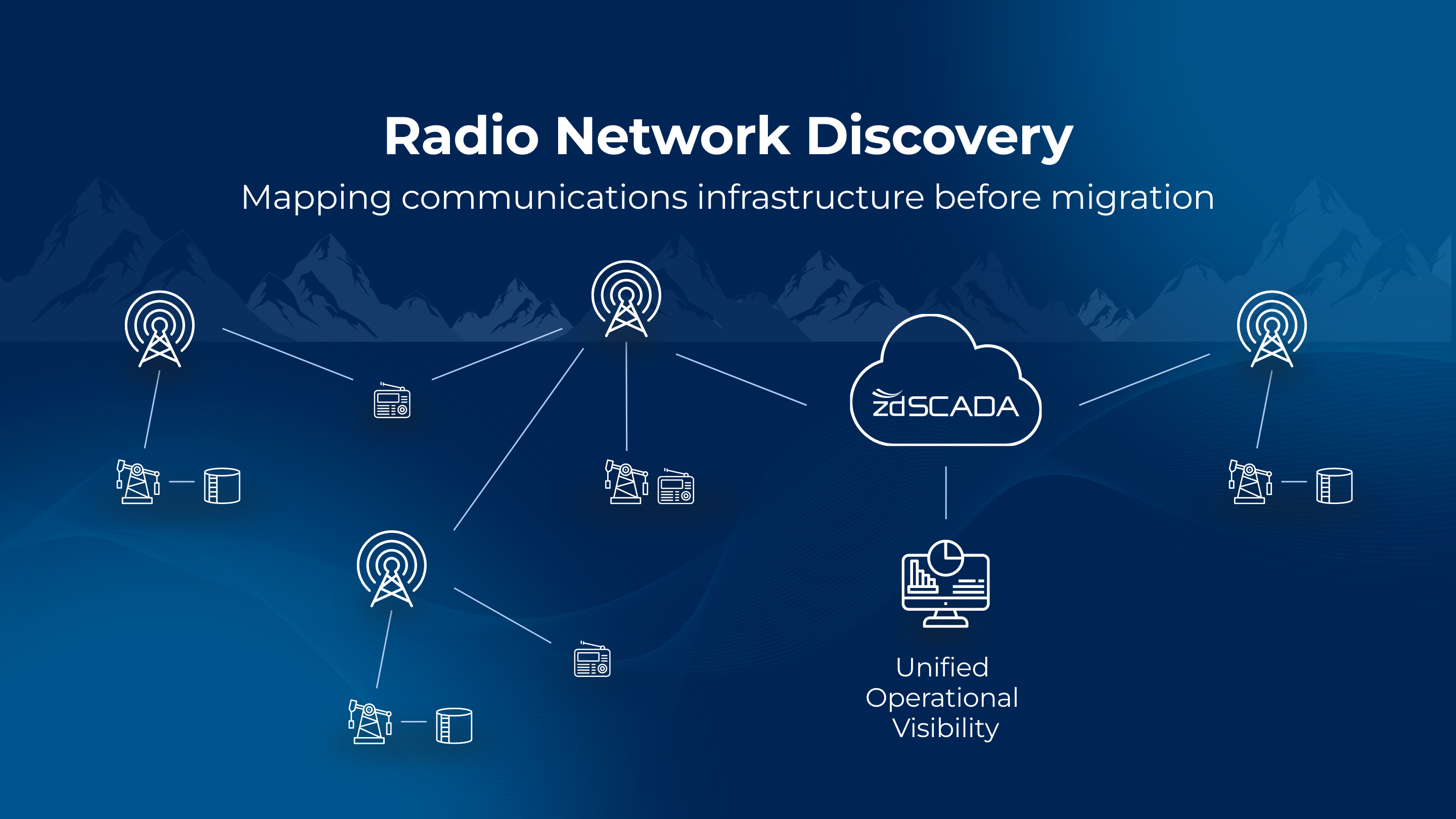
Urban Oil & Gas selected zdSCADA as its standard platform and began developing a repeatable migration methodology that could be applied across both acquisitions and existing assets.
The process started with discovery. Before each migration, teams conducted detailed inventories of field devices, communications networks, and operational requirements. This included:
- Mapping radio communication paths
- Cataloging EFMs, RTUs, and PLCs
- Documenting IP addresses and serial networks
- Validating meter inventories and device status
- Standardizing naming conventions
- Defining alarm requirements
Just as importantly, Urban worked closely with foremen and field personnel to validate communications, equipment configurations, and operational priorities before migration activities began.
What started as a migration effort evolved into a documented playbook that could be repeated across future assets.
Modernizing Without Starting Over
One of the most valuable lessons from Urban's experience was that modernization does not always require replacing existing infrastructure.
Many of the company's acquired assets relied on legacy radio networks that continued to perform their intended function. Instead of replacing those systems, Urban Oil & Gas integrated them into a modern cloud-based SCADA environment. Existing radios, towers, and communications paths remained in service while strategic modem deployments connected field data to zdSCADA.
This approach delivered several advantages:
- Preserved previous infrastructure investments
- Reduced migration costs
- Accelerated implementation timelines
- Minimized operational disruption
- Extended the useful life of field communications equipment
Legacy infrastructure became part of the solution rather than an obstacle to modernization.
Improving Visibility Across Operations
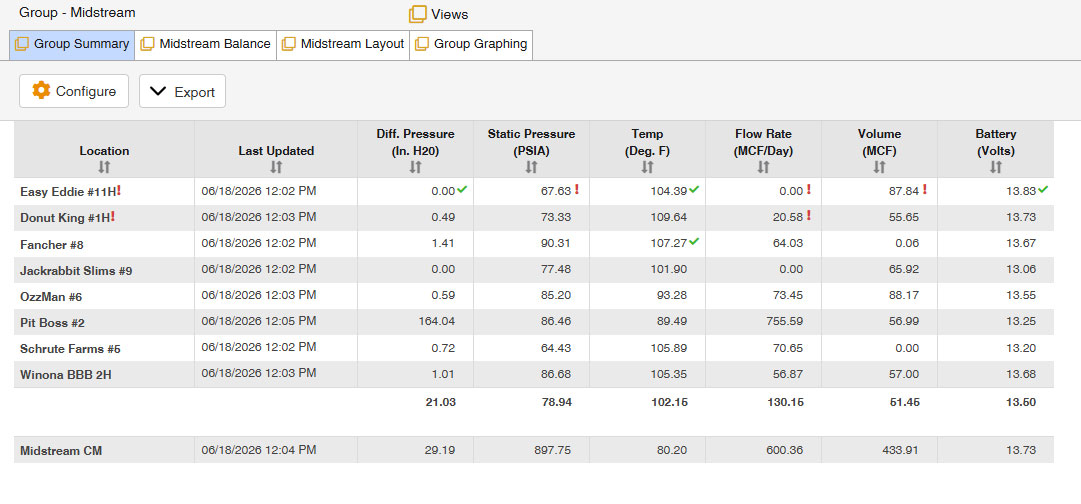
As assets moved into zdSCADA, Urban gained a more consistent view of operations across fields, compressors, and meters.
Polling frequency increased significantly compared to legacy environments. Teams gained access to more timely operational data, configurable alarming, communication health monitoring, and customizable dashboards.
The impact was especially noticeable in field workflows. Instead of relying on a single daily report, personnel could access current information throughout the day. Operators could perform demand polling from mobile devices while standing at a location, verify repairs immediately, and move on without waiting for confirmation from the office.
Route assignments, alarm management, and reporting became more streamlined and easier to manage. The result was faster response times and better prioritization of field activities.
Creating Better Data for the Business
Operational improvements also delivered benefits beyond the field.
Standardized device naming, improved data quality, and alignment between operational systems and business workflows helped create more reliable data inputs for downstream processes. Urban aligned SCADA identifiers with Quorum reference IDs, enabling more consistent data movement into production and reporting workflows. The company also reduced the manual normalization work previously required when integrating data from multiple third-party systems.
With cleaner operational data, teams gained greater confidence in reporting, analytics, and decision-making.
Results: A Foundation for Scalable Growth
Between 2019 and 2026, Urban applied its migration methodology across seven acquisitions and field transitions—spanning Utah, West Texas, Wyoming, Oklahoma, Louisiana, and South Texas. Throughout that process, the company moved from a collection of independent SCADA environments to a unified operational platform capable of supporting continued growth.
Key outcomes included:
- A single operational view across acquired assets
- More frequent polling and improved field visibility
- Consistent alarming across operations
- Better communication health monitoring
- Improved reporting capabilities
- Reduced dependence on legacy system expertise
- Stronger integration with Quorum workflows
- A repeatable process for future acquisitions
Perhaps most importantly, Urban transformed years of field knowledge into documented standards and repeatable practices that can be applied across future assets.
Looking Ahead
For operators managing growth through acquisition, SCADA consolidation is often viewed as a complex and expensive undertaking.
Urban Oil & Gas demonstrated a different path. By combining a standardized migration process with zdSCADA, the company modernized field operations while continuing to leverage existing radio networks and infrastructure. The result was greater visibility, stronger operational consistency, and a scalable foundation for future growth.
Modernization does not have to begin with replacement. In many cases, it begins with creating a clearer view of the assets already in the field.
Learn more about zdSCADA and how it supports upstream field operations at scale.
 Previous Page