 7 min read
Faulconer Energy runs on a simple principle: don't watch what's working, watch for what isn't. That commitment to operating by exception, built on plunger lift expertise and automation, lets a remarkably lean team manage a large geographic footprint, one that now spans more than 1,000 wells.
The model has been in place for decades. What has evolved is the technology supporting it. As data volumes increased and assets expanded, Faulconer needed a SCADA platform capable of keeping pace with the way it already operated.
Automation did not create Faulconer's operating model, it enabled the company to scale a philosophy that had been refined over decades. Technology serves the process, not the other way around.
In This Article
- A lean operating model around automation and plunger lift optimization
- Operating by exception takes technology and organizational alignment
- How Quorum helped Faulconer scale
- Advanced alarming helps us focus on what matters
- Why clean well-structured operational data is becoming a competitive advantage for AI
A Philosophy Built Before the Technology Existed
Faulconer's approach to operating by exception dates back decades.
Faulconer developed its own automation practices and a disciplined operating philosophy centered around plunger lift optimization, allowing field teams to focus attention where it creates the greatest value. Rather than dispatching personnel to every location, field teams direct their attention to wells that require action.
Along the way, Faulconer developed deep expertise in plunger lift optimization and has manufactured its own plungers for many years, shaping its expectations for how technology should support its operations. As the company expanded, that operational knowledge shaped its expectations for technology.
According to Keith Burwell, Automation Manager at Faulconer Energy, success requires more than software alone.
"Two things have to happen in order for that to be possible and be successful. There has to be a technical shift and a mindset shift."
For Faulconer, operating by exception is not simply a philosophy. It's a system that depends on engineering, operations, and automation working together.
When Data Becomes the Bottleneck
As Faulconer grew through acquisitions and expanded its asset base, the volume of operational data increased significantly.
Each plunger lift site generates hundreds of data points, including tubing pressure, casing pressure, load factors, plunger cycle status, and meter trend data. That information is critical for optimization decisions, but only if it arrives quickly enough to be useful.
On previous platforms, polling hundreds of sites with large data loads could take 20 to 30 minutes per cycle. For many operators, that may be acceptable. For Faulconer's operating model, where teams rely on current information to make targeted decisions, it created limitations.
The challenge wasn't collecting data. It was collecting enough data, fast enough, to support the company's approach to operations.
Finding a Platform That Could Scale
Faulconer's relationship with the zdSCADA team, now part of Quorum Software, began years before it became a customer. From the start, the search was less about finding new direction and more about finding a platform that could keep pace with a model that already existed.
Early conversations made one thing clear: Faulconer's requirements were unique. The company needed support for high-frequency polling, large data volumes, minute-level trend information, and sophisticated plunger lift workflows.
Over time, the platform evolved alongside those requirements
What ultimately differentiated Quorum's SCADA solution was its ability to process large volumes of operational data without creating bottlenecks. Faster polling provided teams with a more current view of field conditions, helping them make decisions with greater confidence.
Just as important was the platform's flexibility. Rather than forcing operators to adapt their workflows to the software, Faulconer could configure the system to support the way its teams already worked. Together, faster data and greater flexibility didn't change how Faulconer operated; they let the company run its existing model at a larger scale.
Turning Data Into Action
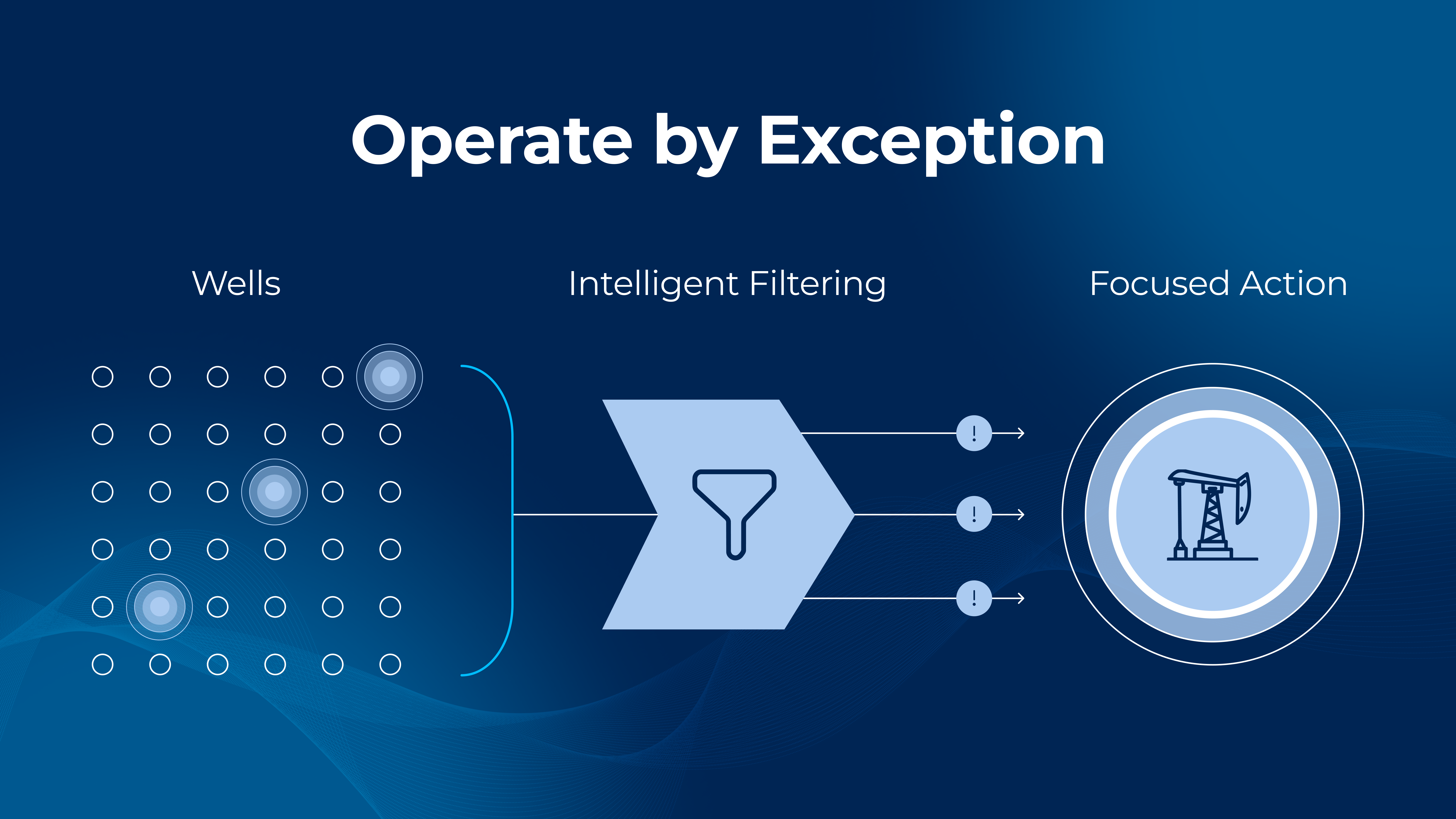
Visibility alone doesn't create operational efficiency. Teams also need a way to identify which conditions require attention and which do not.
That's where advanced alarming became a key part of Faulconer's workflow.
Quorum's SCADA solution supports conditional and formula-based alarming, allowing Faulconer's team to monitor assets based on the conditions that matter most to their operations. Alarms can be configured across multiple assets, escalated automatically, and routed to the appropriate personnel based on response requirements.
The result is a highly targeted approach to field management.
Each optimizer manages a large portfolio of plunger lift wells using customized alarms that surface potential issues before they become larger operational challenges. Rather than reacting to failures, teams can address small deviations early and prioritize work where it delivers the most value.
The impact extends beyond efficiency. It also reduces unnecessary travel, helping field personnel spend less time on the road and more time focused on productive work.
Building Trust Across the Organization
Technology adoption is rarely just a software project. It requires trust.
As Faulconer has integrated acquired assets and onboarded new teams, success has depended on helping operators understand how automation supports their expertise rather than replacing it.
When operators can see the data behind a recommendation, conversations become easier. Visibility into trends, alarms, and operational performance helps teams understand not only what action is needed, but why.
That transparency has helped accelerate onboarding as the company grows. Each acquisition has provided lessons that make the next integration more efficient, allowing Faulconer to scale its operating model across a larger asset base while maintaining consistency.
Clean Data Is the Foundation for AI
Faulconer's SCADA environment contains more than a decade of operational history, including polling cycles, alarm events, and plunger lift performance data.
That operational record wasn't built with artificial intelligence in mind. It was built to support better operational decisions
Today, however, it provides a foundation for what's next.
As AI capabilities continue to develop across the energy industry, organizations with clean, well-structured operational data will be positioned to extract value faster than those still building that foundation.
Burwell sees data quality as the first step.
"The best thing that we can do is have good, clean data, historize that data, and have it available for when the time does come that we can feed it into the right machine to turn it into high-level information."
For Faulconer, that work has already been underway for years.
Scaling Through Discipline
Faulconer's success is not the result of having more personnel in the field. It's the result of a disciplined operating model, supported by Quorum's SCADA platform, that enables teams to focus where they can have the greatest impact.
Operating by exception isn't new. What has changed is the ability to support that philosophy with faster data, more sophisticated alarming, and a stronger foundation for future innovation.
For operators looking to do more with the resources they already have, the lesson is straightforward: efficiency starts with aligning technology to the way your business operates.
See How Quorum's SCADA Solution Supports Lean Upstream Operations
Request a demo to learn how Quorum helps operators improve visibility, streamline field operations, and scale efficiently.
 Previous Page