 5 min read
Today’s oil and gas operators face a paradox: the more data they collect, the less clarity they often have. Allocations, production flows, emissions data, and contract terms flood systems daily, yet teams still struggle to turn that volume into confident decisions. The challenge isn’t the lack of information; it’s the gap between raw data and real-time intelligence.
As the industry evolves toward net-zero goals and market volatility intensifies, clarity becomes a competitive advantage. That’s where Energy Components helps redefine what’s next. By uniting SaaS-first architectures, continuous automation, and agentic AI-driven orchestration, it transforms operational data into proactive insight.
In this future, workflows become opportunities. With every dataset and execution, the system learns and adapts, creating an intelligent backbone for energy operations—one that guides decisions in real time, scales effortlessly, and simplifies complexity across the enterprise.
Evolving from Automation to Intelligence
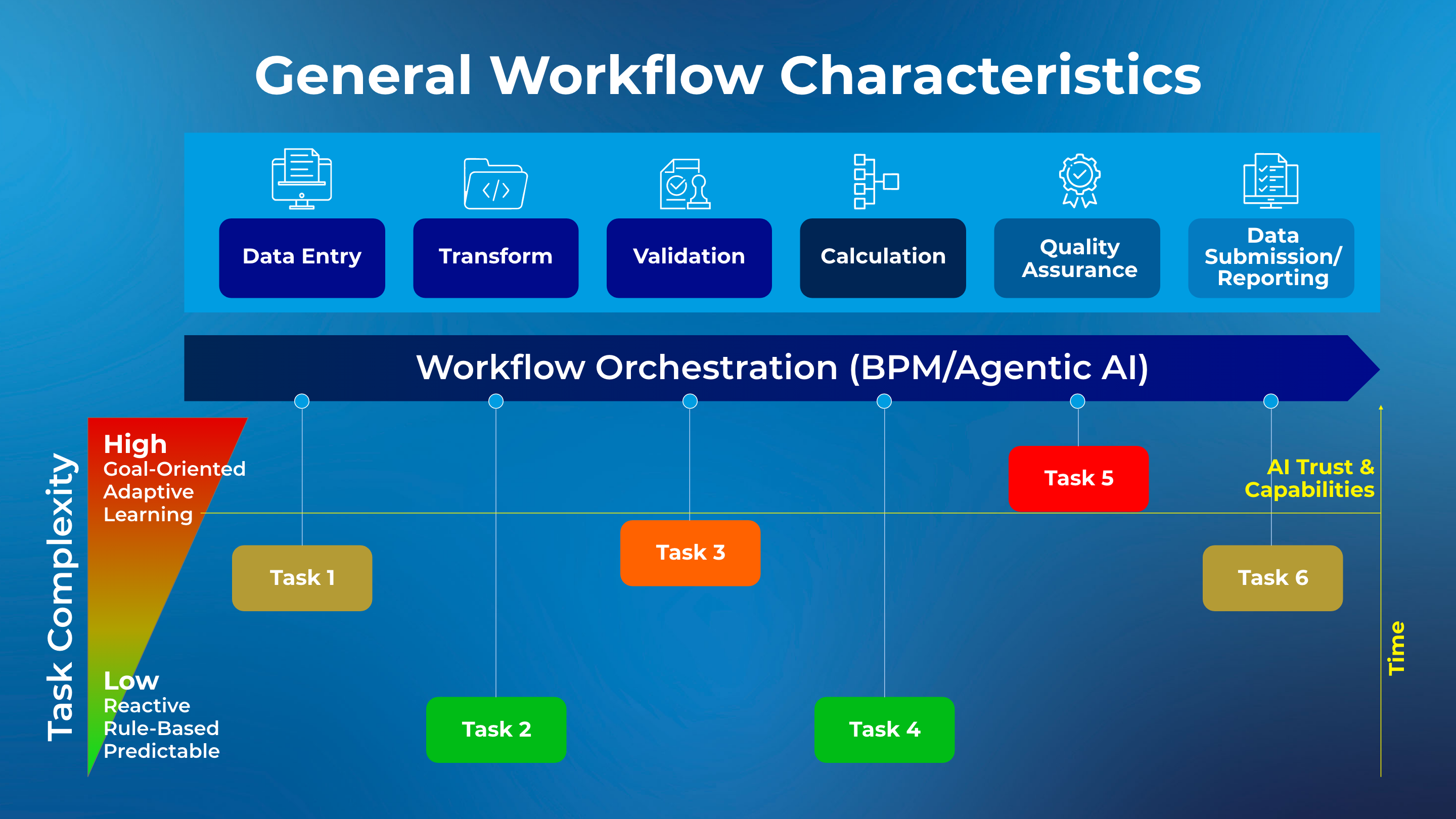
The vision for Energy Components is to move beyond automating reports and reconciliations. With SaaS innovation and agentic AI, it will anticipate data inputs, validate results, and recommend actions in real time.
Soon the system will no longer just manage workflows. It will learn from them, turning operational activity into a continuous source of intelligence.
SaaS Innovation: The Platform That Never Stands Still
“SaaS First” is more than a deployment model. It’s a philosophy of continuous improvement and future readiness. In an industry where change is constant, being SaaS-first means always evolving, always ready for the next era of innovation and intelligence.
With Energy Components in the cloud, scalability, configurability, and security are built in. Its SaaS foundation makes it easy to integrate with other systems and tools, while continuous delivery ensures customers receive the latest enhancements without disruption. The result is a platform where progress never pauses.
What “SaaS First” means for Energy Components:
- Commercial: Subscription-based, configurable, and fully managed.
- Organizational: A shift from service-heavy customization to standardized software value.
- Technology: Cloud-native, API-enabled, CI/CD pipelines with user-driven self-service tools.
Continuous Improvement, Proven in the Field
Every Energy Components release brings customers closer to real-time insight and zero-downtime performance. With SaaS as the foundation, improvement is constant. There are no upgrades queuing up, just continuous evolution. We’ve taken the following examples of measurable results directly from the field.
From a Leading Latin American Energy Firm: Faster Data Cycles and Leaner Operations
- 85% reduction in refresh window time
- 50% less support effort through proactive monitoring
- Standardization improved data accuracy and cross-team alignment
From Repsol Global Operations: Smarter Integration, Stronger Collaboration
- Real-time integration improved sales efficiency and route optimization
- Automated workflows reduced manual interventions
- Result: transparent collaboration and adaptive contracting strategies
More about Repsol Global Operations
The bottom line? Continuous improvement, enabled by Energy Components SaaS solution, translates directly to reliability, efficiency, and long-term value.
What’s Next: Intelligent Automation with Agentic AI
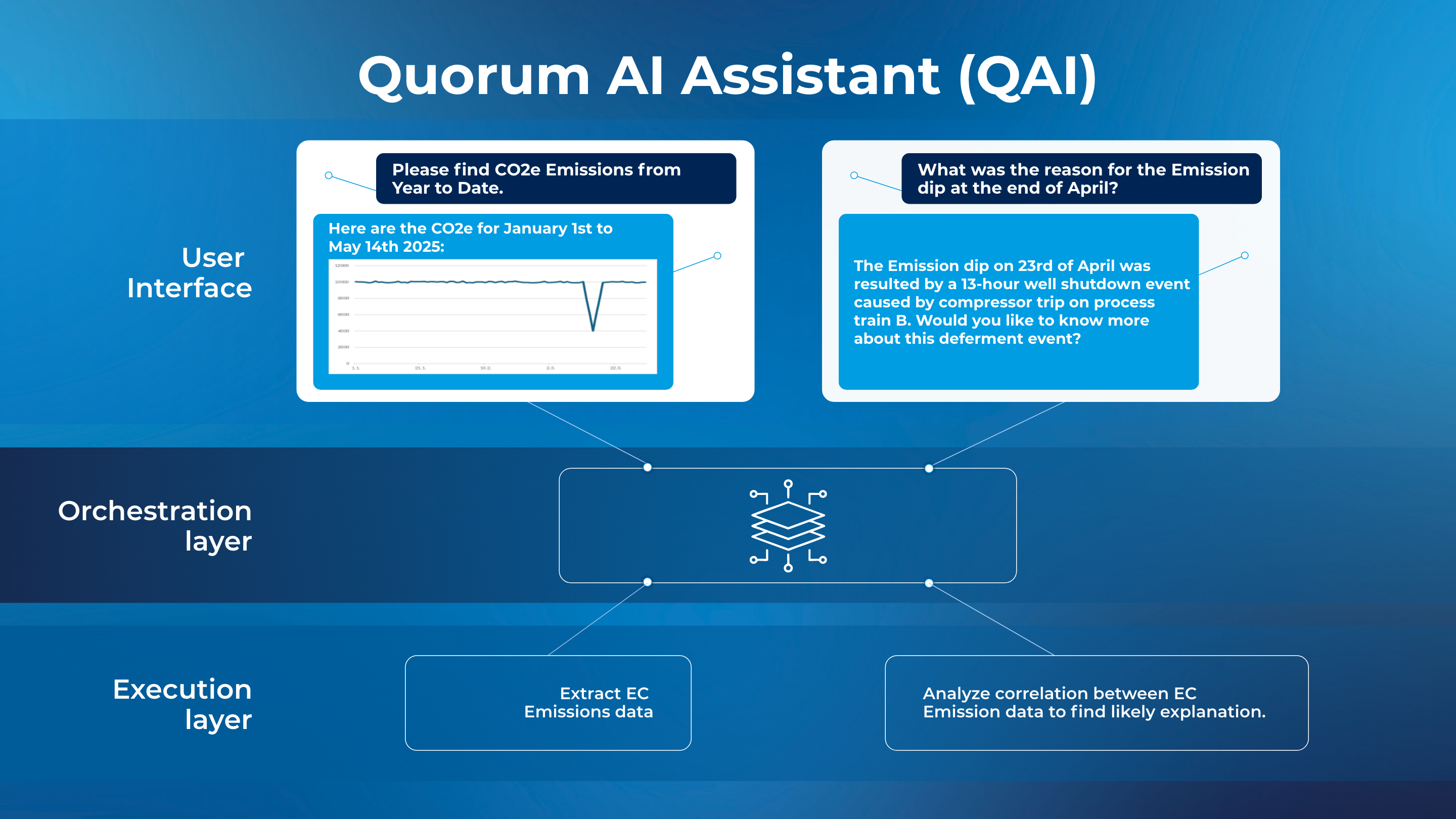
The next chapter of Energy Components focuses on intelligent orchestration—agentic AI that assists, adapts, and anticipates. Rather than replacing human expertise, this technology amplifies it, introducing a new level of precision and predictive capability to operational workflows.
A current pilot project explores how agentic AI could support daily allocation. The concept demonstrates how Energy Components can monitor, validate, and act on production data in real time, creating a faster and more resilient allocation process.
Pilot Example: AI-Driven Daily Allocation
- Automatically validates and corrects SCADA input data
- Fills missing data points for uninterrupted reporting
- Runs preliminary allocations autonomously
- Identifies anomalies, suggests reruns, and flags deviations for review
As confidence in AI-assisted workflows grows, Energy Components will move from rule-based automation toward autonomous optimization—where the system orchestrates processes, surfaces exceptions, and empowers engineers to focus on insights instead of inputs.
From Managing Data to Mastering It
Energy Components reflects the energy industry’s own transformation—from managing data to mastering it. It has gone from a system of record to a system of intelligence.
As automation learns and integration accelerates, Energy Components evolves from a system of record into something that scales decision-making, simplifies complexity, and enables every organization to act with confidence.
Ready to see how intelligent automation, SaaS innovation, and agentic AI can transform your operations? Request a demo today.
 Previous Page